by petro
Hosting a Telegram bot requires more than just a server. It needs reliability, scalability, and, most importantly, privacy. Whether you are developing a simple bot or a complex application, selecting the right hosting platform can make a significant difference in performance and security.
In this article, we’ll review 12 hosting platforms ideal for Telegram bots, providing insights into their features, pricing, and best use cases. From Docker-based platforms to serverless architectures, we’ve got you covered!
1. bothost.tech – The Best for High Performance
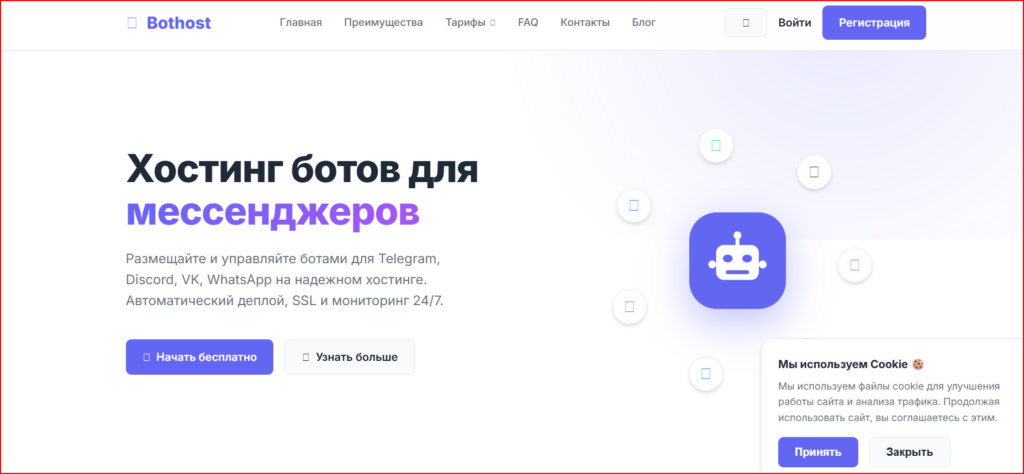
Bothost.tech is a premium hosting provider known for delivering dedicated resources that are perfect for running Telegram bots. It’s designed for users who need consistent uptime and reliable support. The platform is often praised for its performance, which is crucial when hosting bots that require fast response times and zero downtime.
Pros:
- Dedicated resources for better performance
- Great for high-traffic bots
- Scalable plans for growing projects
Cons:
- Premium pricing, making it less ideal for small-scale or hobby projects
Best For: Bots with high performance demands, or those in production environments needing consistent resources.
2. dockerhosting.ru – Ideal for Docker-Based Deployments
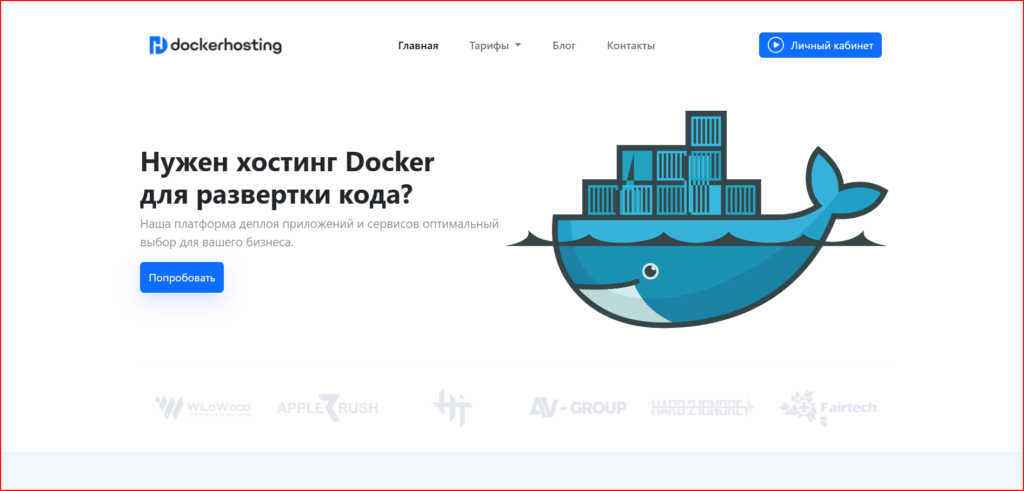
For developers using Docker containers, dockerhosting.ru is an excellent choice. This platform specializes in Docker-based hosting, making it an ideal environment for deploying Telegram bots that need containerization.
Pros:
- Docker-based for easy container deployment
- Flexible hosting for containerized applications
- Good performance for specialized setups
Cons:
- Requires knowledge of Docker for deployment
Best For: Developers who want containerized hosting with full control over their application environment.
3. vercel.com – Best for Serverless Deployments
Vercel is a cloud platform known for serverless deployment, making it an excellent option for bots that don’t require a full server to run. It’s particularly great for simple bots and those who want quick deploys without managing infrastructure.
Pros:
- Serverless architecture for easy deployment
- Automatic scaling and low-latency performance
- Excellent for quick tests and prototypes
Cons:
- Limited customization options for more complex bots
- May not be ideal for larger-scale bots requiring custom backends
Best For: Small, low-maintenance bots or rapid prototyping.
4. netlify.com – Great for Static Websites and Serverless Functions
Netlify is primarily known for static websites but also supports serverless functions, making it suitable for deploying bots with minimal server-side logic. It’s a good option if you’re hosting a bot with light backend operations.
Pros:
- Excellent for static sites and serverless apps
- Easy integration with GitHub for CI/CD workflows
- Free-tier available for smaller projects
Cons:
- Limited server capabilities for complex bots
- Not optimized for bots that require heavy backend processing
Best For: Simple bots and static websites with minimal server-side logic.
5. heroku.com – Simple and Beginner-Friendly
Heroku is one of the most popular platforms for rapid deployment and easy scaling. It’s particularly great for developers who want a no-hassle environment to host their Telegram bots.
Pros:
- Easy to use, with simple deployment steps
- Free-tier for small bots and testing
- Great for quick setups and beginner developers
Cons:
- Free-tier has limited resources, so performance can be affected during high traffic
- Can become expensive as your bot scales
Best For: Developers looking for a quick and easy solution without needing deep infrastructure knowledge.
6. Render – Balanced Hosting Solution
Render is an emerging platform that offers easy-to-use deployments while providing powerful tools for scaling and automation. It is a reliable option for hosting Telegram bots and can handle both small and large applications.
Pros:
- Supports both static and dynamic applications
- Auto-scaling and background jobs support
- Free-tier available for small bots
Cons:
- Still growing, so fewer resources and integrations than larger competitors
Best For: Developers who need a simple yet scalable platform.
7. Fly.io – Best for Global Distribution
Fly.io is an excellent choice for hosting global bots that need low-latency performance. It deploys bots on servers worldwide, ensuring fast response times regardless of where your users are located.
Pros:
- Global server distribution for low-latency performance
- Simple deployment process
- Automatic scaling based on traffic demands
Cons:
- Newer platform with limited documentation
Best For: Bots that require global presence with minimal latency.
8. Railway – Excellent for Deployment Flexibility
Railway is an intuitive platform that allows developers to deploy, scale, and manage their Telegram bots quickly. It’s particularly great for developers who need a flexible platform with automatic scaling features.
Pros:
- Easy deployment with just a few clicks
- Free-tier to test bots
- Scalable resources for growing bots
Cons:
- Performance can be inconsistent on lower-tier plans
Best For: Developers looking for an easy-to-use, flexible platform for quick bot deployments.
9. streamlit.app – Ideal for Interactive Bots
While Streamlit is generally used for data apps, it can also support interactive bots that need rich data visualization. If your bot requires displaying data analytics or interactive dashboards, this platform may be a good fit.
Pros:
- Interactive visualizations and easy integration with Python
- Great for data-driven bots that need real-time updates
- Simple interface
Cons:
- Not ideal for bots that need complex back-end processes or real-time messaging.
Best For: Bots that require data-heavy interactions and dashboards.
10. pythonanywhere.com – Best for Python Bots
PythonAnywhere is tailored for Python-based applications, making it perfect for developers using Python for their Telegram bots. It provides an easy-to-use interface for deploying, managing, and hosting Python-based applications.
Pros:
- Python-specific environment
- Great for quick Python bot deployments
- Free-tier for testing small bots
Cons:
- Not as flexible for other programming languages
- Limited performance on the free-tier
Best For: Python developers working on small to medium-sized Telegram bots.
11. pella.app – Simplified Hosting for Small Projects
Pella.app is a newer hosting service that focuses on simplifying the deployment of small applications, including Telegram bots. It’s a good choice for hobby projects or small-scale bots.
Pros:
- Simple setup for basic bots
- Clean, user-friendly interface
- Affordable pricing
Cons:
- Limited features for scaling larger bots
Best For: Hobby developers or those building small, low-traffic Telegram bots.
12. scalingo.com – Best for Advanced Hosting Needs
Scalingo is a robust platform designed for advanced applications. It supports scalable environments for bots with complex backends or those that require integration with multiple services.
Pros:
- Powerful scaling capabilities for large bots
- Customizable environment for more control over hosting
- Offers strong security features
Cons:
- More complex to set up than other platforms
Best For: Enterprise-level bots or those with advanced needs.
Conclusion
Choosing the right hosting platform for your Telegram bot depends largely on your technical requirements, budget, and traffic volume. If you’re just getting started, Heroku or Render may be the easiest options for quick deployment. However, if you need global low-latency performance, platforms like Fly.io or Vercel are ideal.
Each platform on this list has its strengths and weaknesses, so carefully consider the needs of your Telegram bot and select the one that best aligns with your goals.
About the Author